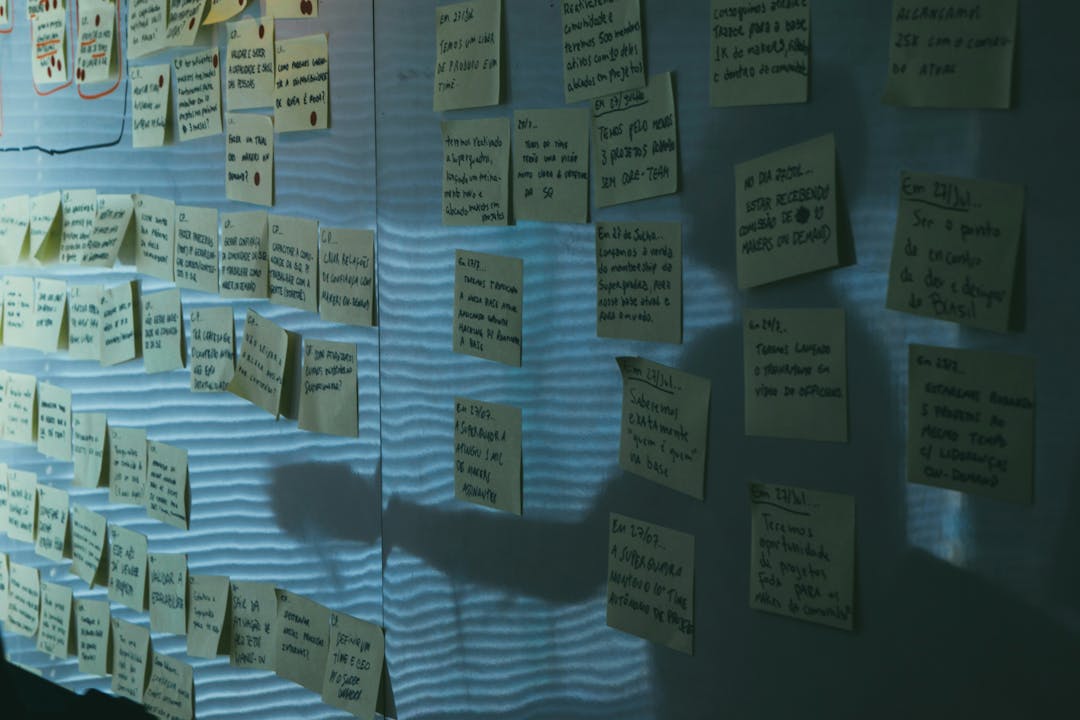
Breaking Barriers: Transforming Community Engagement for Meaningful Collective Impact
Community Engagement Activity Participant Guide
Activity Purpose
Explore community engagement challenges and solutions using the hypothetical Oakridge Commons Housing Development Project.
Your Role
You'll be assigned and/or choose one of these roles to represent in your group:
City Planner
Vocal Community Member
Disengaged Resident
Underrepresented Community Leader
Optional roles: Council Member, Mayor, Youth Representative, Neighborhood Associations, Housing Advocates, Chamber of Commerce, Environmental Groups, School District, Local Businesses, City Officials, or other stakeholders – everyone is welcome!
This will be the point of view you represent as you consider engagement challenges and successful approaches during the brainstorming exercise.
The Project: Oakridge Commons
Project Summary
What: 250-unit mixed-income housing development (30% affordable units)
Where: 12-acre former industrial site in Millbrook (pop. 75,000)
When: Completion targeted for Fall 2027
Why: Address housing needs and revitalize brownfield site
More: See additional context below.
Activity Structure
Duration: 30 minutes (this exercise should be 45+ minutes)
Part 1: Setup (5 minutes)
Form groups of 4-5+ people
Choose your roles – This will be the point of view you represent/consider during the brainstorming exercise.
Select your engagement method:
Digital: Using EngagementHQ platform
Analog: Using sticky notes and markers
Part 2: Challenge Identification (10 minutes)
Identify and note specific challenges related to engagement in these topic areas from your role POV:
Access & Equity - Example: Language barriers, digital divide
Representation - Example: Underrepresented groups, diverse voices
Apathy - Example: Low community interest
Transparency - Example: Communication gaps
Part 3: Successful Approaches (10 minutes)
Discuss and note successful approaches and solutions for the challenges you identified from your role POV:
Consider practical approaches
Think about available resources
Draw from real-world experience
Focus on actionable solutions
Part 4: Sharing (5 minutes)
Share your group's favorite challenge/solution
Listen to other groups' presentations
Upvote and comment on other group's ideas
Check-back next week for the report
Remember, there are no wrong answers! The goal is to learn from each other and develop effective engagement strategies.
Community Engagement Activity Participant Guide
Activity Purpose
Explore community engagement challenges and solutions using the hypothetical Oakridge Commons Housing Development Project.
Your Role
You'll be assigned and/or choose one of these roles to represent in your group:
City Planner
Vocal Community Member
Disengaged Resident
Underrepresented Community Leader
Optional roles: Council Member, Mayor, Youth Representative, Neighborhood Associations, Housing Advocates, Chamber of Commerce, Environmental Groups, School District, Local Businesses, City Officials, or other stakeholders – everyone is welcome!
This will be the point of view you represent as you consider engagement challenges and successful approaches during the brainstorming exercise.
The Project: Oakridge Commons
Project Summary
What: 250-unit mixed-income housing development (30% affordable units)
Where: 12-acre former industrial site in Millbrook (pop. 75,000)
When: Completion targeted for Fall 2027
Why: Address housing needs and revitalize brownfield site
More: See additional context below.
Activity Structure
Duration: 30 minutes (this exercise should be 45+ minutes)
Part 1: Setup (5 minutes)
Form groups of 4-5+ people
Choose your roles – This will be the point of view you represent/consider during the brainstorming exercise.
Select your engagement method:
Digital: Using EngagementHQ platform
Analog: Using sticky notes and markers
Part 2: Challenge Identification (10 minutes)
Identify and note specific challenges related to engagement in these topic areas from your role POV:
Access & Equity - Example: Language barriers, digital divide
Representation - Example: Underrepresented groups, diverse voices
Apathy - Example: Low community interest
Transparency - Example: Communication gaps
Part 3: Successful Approaches (10 minutes)
Discuss and note successful approaches and solutions for the challenges you identified from your role POV:
Consider practical approaches
Think about available resources
Draw from real-world experience
Focus on actionable solutions
Part 4: Sharing (5 minutes)
Share your group's favorite challenge/solution
Listen to other groups' presentations
Upvote and comment on other group's ideas
Check-back next week for the report
Remember, there are no wrong answers! The goal is to learn from each other and develop effective engagement strategies.
Oakridge Commons Housing Development Project - Project Overview
The City of Millbrook (population 75,000) is considering a proposal for a new mixed-income housing development on a 12-acre parcel of previously industrial land. The proposed Oakridge Commons would include 250 residential units across multiple buildings, ranging from townhouses to 4-story apartment buildings. The development would include 30% affordable units, with the remainder at market rate. The site is located in a transitioning neighborhood that historically served as a manufacturing district but has seen several factory closures in the past decade.
City Goals
Increase housing supply to address rising housing costs
Create an inclusive, mixed-income community
Revitalize a brownfield site
Improve neighborhood connectivity and walkability
Generate new tax revenue from previously vacant land
Meet sustainability and green building standards
Complete the project within 3 years
Planned Project Timeline
Current Phase: Pre-planning and community engagement (4 months)
Environmental Review: 6 months
Design and Permitting: 8 months
Site Remediation: 4 months
Construction Phase 1: 12 months
Construction Phase 2: 12 months
Target Completion: Fall 2027
Community Concerns
Environmental contamination from previous industrial use
Increased traffic on already congested streets
Impact on already overcrowded schools
Strain on existing infrastructure (water, sewer, power)
Parking availability in the neighborhood
Building heights and neighborhood character
Construction noise and disruption
Questions about who will qualify for affordable units
Property values impact on surrounding homes
Unique Challenges
Many current residents are renters concerned about displacement
Local businesses worry about construction impacts
Recent unsuccessful affordable housing projects have created skepticism
The area has a significant immigrant population (35%)
Site requires environmental cleanup
Active neighborhood social media groups often spread misinformation
Infrastructure capacity questions
Location Context
The site is bordered by Oak Street and Ridge Avenue, near the intersection with the Metro Blue Line light rail station. It's within a 10-minute walk of a grocery store, elementary school, and community health center. The surrounding neighborhood is primarily single-family homes and small businesses, with some 2-3 story apartment buildings. The area has seen increasing property values due to its proximity to public transit and downtown.
Note: This hypothetical was created with the assistance of Claude.AI
Project Context
Oakridge Commons Housing Development Project - Project Overview
The City of Millbrook (population 75,000) is considering a proposal for a new mixed-income housing development on a 12-acre parcel of previously industrial land. The proposed Oakridge Commons would include 250 residential units across multiple buildings, ranging from townhouses to 4-story apartment buildings. The development would include 30% affordable units, with the remainder at market rate. The site is located in a transitioning neighborhood that historically served as a manufacturing district but has seen several factory closures in the past decade.
City Goals
Increase housing supply to address rising housing costs
Create an inclusive, mixed-income community
Revitalize a brownfield site
Improve neighborhood connectivity and walkability
Generate new tax revenue from previously vacant land
Meet sustainability and green building standards
Complete the project within 3 years
Planned Project Timeline
Current Phase: Pre-planning and community engagement (4 months)
Environmental Review: 6 months
Design and Permitting: 8 months
Site Remediation: 4 months
Construction Phase 1: 12 months
Construction Phase 2: 12 months
Target Completion: Fall 2027
Community Concerns
Environmental contamination from previous industrial use
Increased traffic on already congested streets
Impact on already overcrowded schools
Strain on existing infrastructure (water, sewer, power)
Parking availability in the neighborhood
Building heights and neighborhood character
Construction noise and disruption
Questions about who will qualify for affordable units
Property values impact on surrounding homes
Unique Challenges
Many current residents are renters concerned about displacement
Local businesses worry about construction impacts
Recent unsuccessful affordable housing projects have created skepticism
The area has a significant immigrant population (35%)
Site requires environmental cleanup
Active neighborhood social media groups often spread misinformation
Infrastructure capacity questions
Location Context
The site is bordered by Oak Street and Ridge Avenue, near the intersection with the Metro Blue Line light rail station. It's within a 10-minute walk of a grocery store, elementary school, and community health center. The surrounding neighborhood is primarily single-family homes and small businesses, with some 2-3 story apartment buildings. The area has seen increasing property values due to its proximity to public transit and downtown.
Note: This hypothetical was created with the assistance of Claude.AI